
"How you can get rich off pennies": Economist shows how rare coins and even silver coins can lead to wealth
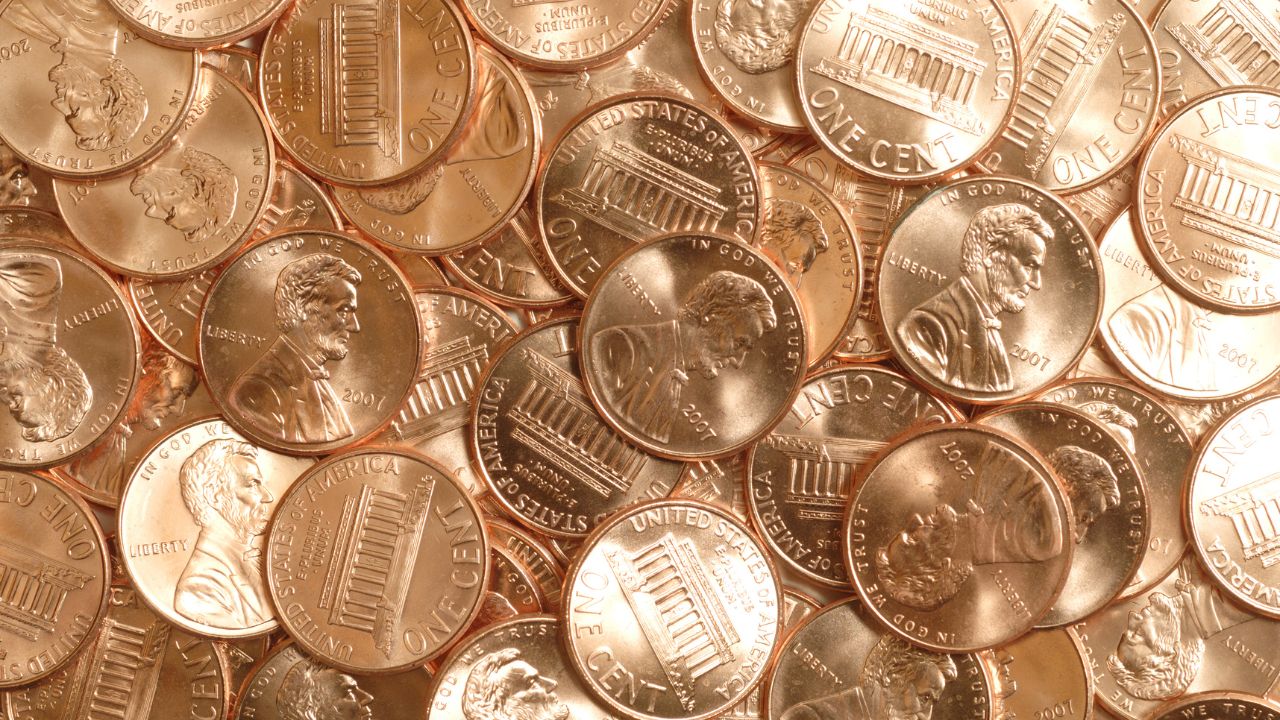
Economist and entrepreneur Travis, host of the Economic News Ninja channel, is making an argument that sounds ridiculous until you sit with it for a minute. In his latest video, he says people should start paying attention to pennies right now, because what looks like pocket change today could become something much more valuable later.
That is not because he thinks every penny is secretly worth a fortune overnight. It is because, in his view, America has gone through this kind of monetary shift before, and people who noticed early had a chance to benefit from it. His main point is simple: once the government stops making a coin, and once the older metal-rich version starts disappearing, the few people who saved them may end up holding something much scarcer than most people realize.
Travis frames it as a warning, but also as an opportunity. He says this is not just about coin collecting as a hobby. To him, it is about understanding value before everybody else does.
There is a little bit of old-school treasure-hunting excitement in what he is saying, but there is also a bigger economic point underneath it. Governments change money when the metal gets too expensive, and when that happens, older coins do not just become “old.” Sometimes they become the last surviving pieces of a different era of real material value.
Why He Keeps Bringing Up 1964 Silver Coins
To explain why he is so focused on pennies, Travis starts with silver coins.
He points back to 1964, when dimes, quarters, and half dollars still contained 90% silver. In his telling, those coins were not just silver in color. They actually had real precious metal in them, which gave them a built-in value beyond the number stamped on the face.

Then, as silver got more expensive, the government made a choice. According to Travis, officials decided they were no longer willing to keep putting that much real metal into everyday coins. So they changed the composition and moved to cheaper materials that still looked silver but no longer held the same intrinsic worth.
That, to him, is the lesson.
A pre-1965 silver dime used to be just ten cents in commerce. Today, because of its silver content and collector demand, it is worth far more than face value. Travis is using that example to argue that coins can quietly turn into stores of value after the government moves on from them.
He says pennies may now be sitting at the same kind of turning point.
That comparison is not perfect, because copper is not silver and pennies are not dimes. Still, his broader point lands: when a coin’s metal value and rarity begin moving in different directions than its face value, people who ignore loose change may be throwing away something more useful than they think.
The Big Year for Pennies Is 1982
Travis says the key dividing line for pennies is 1982.
According to him, pennies dated 1982 and older were made primarily of copper, while later pennies shifted to being mostly zinc. He says that change came for the same basic reason the silver disappeared from dimes and quarters: the metal had become too expensive relative to the coin’s face value.
That is the moment he wants viewers to focus on. For him, 1982 marks the split between an older penny that still carries meaningful copper content and a later penny that does not.
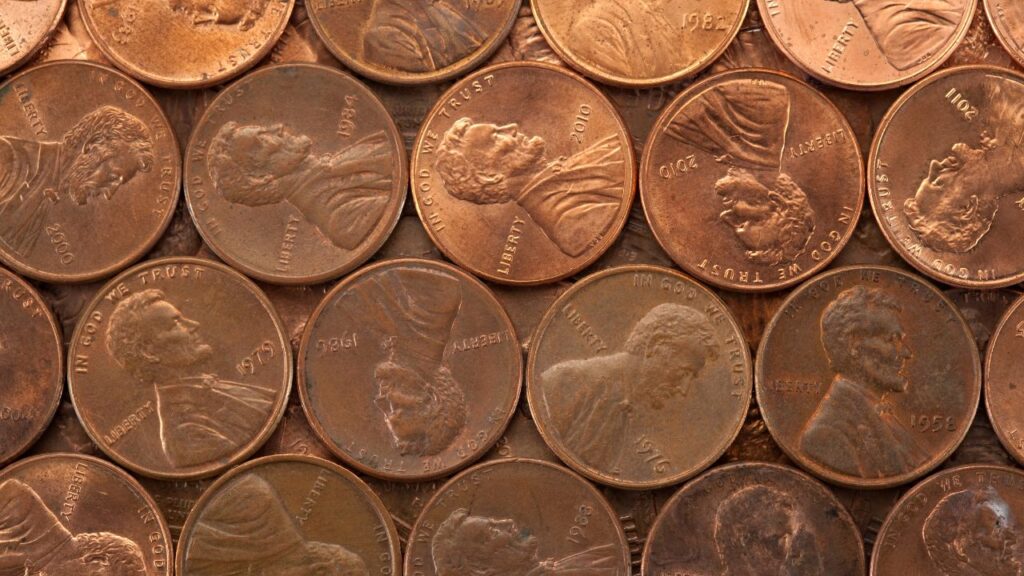
He argues that people still have a small window of time to pull these older copper pennies out of circulation and set them aside. Not because each one is going to buy a house one day, but because scarcity plus metal value plus collector interest can add up over time.
It is a very specific kind of long game.
Travis is not telling people to run out and speculate wildly on every cent they can find. He even says directly that he is not suggesting people go buy massive amounts of copper pennies. His advice is narrower than that. He says when you get change back, look at the penny, check the date, notice the color, and if it is 1982 or older, separate it and save it.
That is part investing mindset, part scavenger habit, and part collector instinct.
Honestly, it is also the kind of idea that appeals to people because it feels accessible. Most investment advice sounds like it belongs to somebody with spare cash. A penny strategy sounds like it belongs to ordinary people.
His Core Bet: The Government Is Ending the Penny Era
The real urgency in Travis’ argument comes from what he says is happening now with the penny itself.
He says the government has moved past simply changing what the penny is made of and is now moving toward ending penny production altogether. In his words, the penny is not just being cheapened. It is being phased out.
That matters because once a coin stops being made, every existing coin instantly becomes part of a limited pool.
Travis describes stores already trying to figure out how to round prices to nickels, and he argues that once pennies stop being made and are slowly removed from circulation, the older copper ones could become harder and harder to find. He says they are “gone forever” in the sense that no new ones are replacing them, while the old stock is gradually being destroyed or lost.
That is where his tone shifts from casual observation to something closer to a call to action. He believes people still have time, but not forever.
There is some common sense to that. Scarcity works slowly until suddenly it feels obvious. People do not notice something is disappearing until they try to find it and realize it is no longer easy.
That is especially true with coins, because most people do not inspect them anymore. They spend them, dump them in jars, or leave them in cup holders. That makes it easier for a patient person to pick through and save the older pieces before the general public catches on.
From Melt Value to Collector Value
One of the more interesting parts of Travis’ argument is that he is not only talking about metal value. He is also talking about collector value.
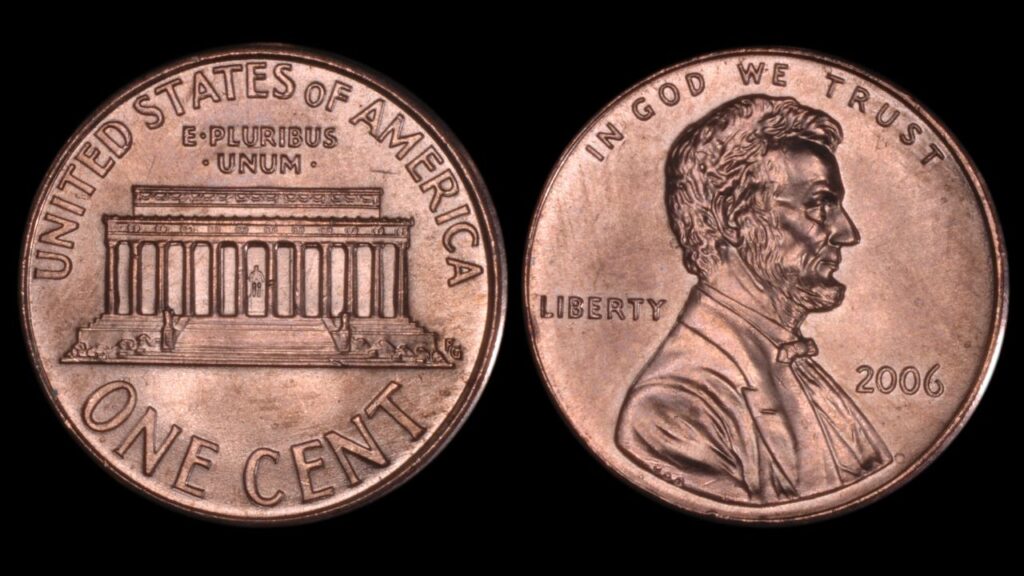
He says a copper penny may already be worth more than one cent in raw material terms, but what really excites him is the possibility that one day these coins could be worth much more once they become clearly scarce, especially if they are preserved and professionally graded.
He brings up the idea of having coins “slabbed,” meaning authenticated and sealed as collector items. In his view, that is where the story changes from scrap-metal math to numismatic value.
That is an important difference.
A pile of worn copper pennies in a bucket is one thing. A rare or well-preserved early copper cent, properly identified and graded, is something else entirely. Travis seems to be saying that people should think beyond the immediate metal content and remember that scarcity, story, and condition all matter in the coin world.
He even uses old paper currency as an example. He mentions $500, $1,000, and $10,000 bills, which used to circulate and no longer do. Those bills are not just worth their face value now because they are useful as money. They are worth more because they are rare, collectible remnants of an earlier system.
He thinks pennies could go through a smaller but similar transformation.
That may sound ambitious, and some of it certainly depends on time, condition, and collector demand. But the basic logic is not crazy. Once the everyday object stops being everyday, it starts becoming a piece of history.
He Says Even a Single Penny Can Be a Tiny Bet on the Future
Travis puts the strategy in very plain terms. If you get an old copper penny in change and set it aside, he says you have essentially “spent a penny” to hold something that already carries more value than that in metal alone and might one day carry much more in collector value.
That is a tiny transaction, but it reflects a very big idea: small habits can compound.
He talks about people who have emailed him saying they have already set aside large amounts of copper pennies, including one person he says saved 300 pounds of them in a trash can. He also says he filled a mini trash can himself when he was a firefighter because even then he believed the copper value made those pennies worth saving.
That image is part of what makes his argument stick. He is not pitching a slick financial product. He is talking about buckets of coins, small discipline, and patience.
And in a strange way, that makes the whole thing more believable. Wealth is not always created by giant swings. Sometimes it comes from noticing what everybody else ignores.
The Big Promise – and the Real Limitation
The title of Travis’ video talks about getting rich off pennies, and that obviously grabs attention. But the more honest reading of his message is not that pennies are some magic shortcut to instant wealth.
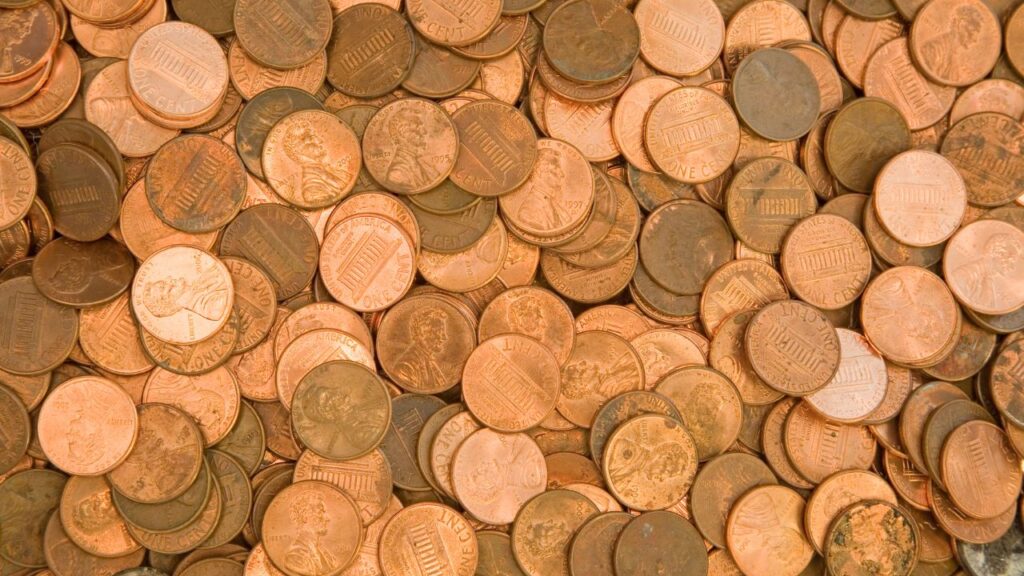
What he is really saying is that value hides in plain sight, and people who train themselves to recognize it can slowly build advantages over time.
That is a good lesson, even if the phrase “get rich” stretches it a bit.
The truth is, jars of old pennies are probably not going to turn most people into millionaires. But could copper cents, old silver coins, and overlooked change become a meaningful side store of value or a collector asset over many years? Absolutely. Especially if you know what you are looking at.
That is the stronger version of Travis’ point, and it is the one worth taking seriously.
Why His Advice Is More About Mindset Than Just Pennies
What makes Travis’ video interesting is that it is not really just about cents. It is about how people think about money.
Most people treat coins like clutter because face value tells them what something is “worth.” Travis is pushing viewers to think differently. He wants them to ask what something is made of, whether it is still being produced, how rare it might become, and whether a cheap item today could be more meaningful later.
That is a collector’s mindset, but it is also an investor’s mindset.
He is saying that wealth often starts with paying attention to what everybody else dismisses.
And even if somebody never gets rich from pennies, that habit of looking closer, learning the history, and understanding the difference between face value and real value is not a bad one to build.
In that sense, his penny warning may be less about copper itself and more about training people to see opportunity where others see almost nothing at all.



Post a Comment for ""How you can get rich off pennies": Economist shows how rare coins and even silver coins can lead to wealth"