
'Pretty Woman' Inspiration: A 60s Hit
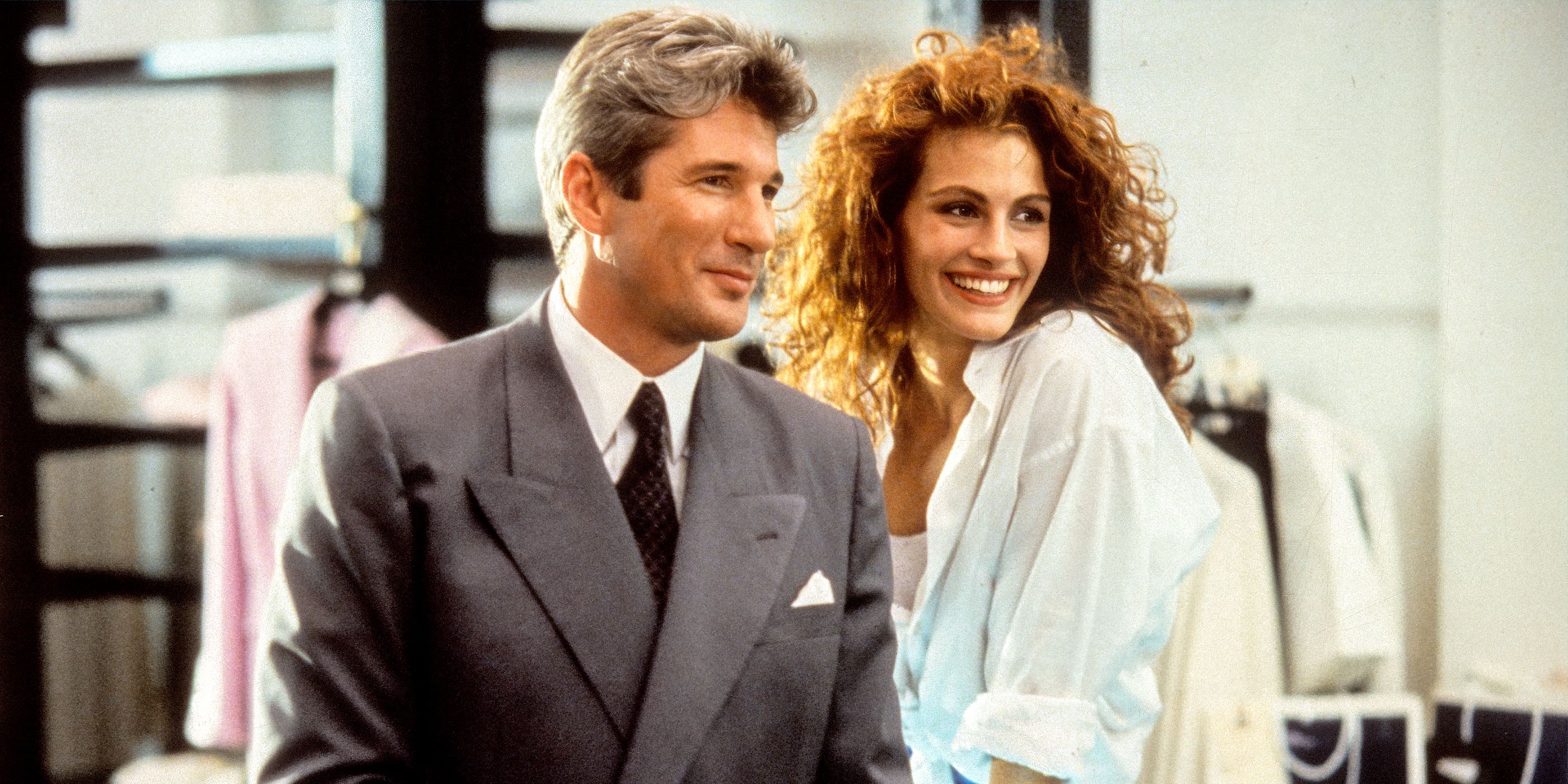 Roy Orbison’s iconic 1964 hit, "Oh, Pretty Woman," a song that perfectly captures the awe inspired by a woman in her full splendor, unexpectedly dominated the airwaves. It spent several weeks at the pinnacle of the Billboard Hot 100, marking a career-defining moment for Orbison. While its initial chart dominance eventually waned, a significant element has ensured its enduring legacy: the 1990 film Pretty Woman. Starring Julia Roberts and Richard Gere, the movie achieved monumental success, amplifying the song's reach and introducing it to a new audience. This exploration delves into the profound connection between these two artistic works and how, decades later, the film revitalized the song's popularity.
The Genesis of a Rock Anthem
The creation of Roy Orbison's "Oh, Pretty Woman" was remarkably serendipitous. Co-written with Bill Dees, the inspiration struck during a casual moment. As Orbison's wife was preparing to leave, he playfully inquired if she had enough money. Dees's witty retort, "A pretty woman never needs any money," sparked an immediate creative flurry, and the song began to take shape within minutes.
The writing process flowed effortlessly, as the narrative required little elaborate construction. The lyrics, simple yet evocative, quickly became infectious:
Pretty woman walkin' down the street Pretty woman, the kind I'd like to meet Pretty woman, I don't believe you, you're not the truth No one could look as good as you Mercy Pretty woman, won't you pardon me? Pretty woman, I couldn't help but see Pretty woman, that you look lovely as can be Are you lonely just like me?
This accessible, catchy quality made the song an instant earworm. Following a masterful formula, the record achieved sales of seven million copies, representing the zenith of Orbison's commercial success. The potent combination of his powerful vocals, straightforward storytelling, and a distinctive guitar riff cemented "Oh, Pretty Woman" as the signature sound of Roy Orbison. As one of the most memorable tracks of the 1960s rock era, its unique blend of rock, pop, and early country elements contributed to its airy, uplifting tone, making it ripe for a cinematic adaptation.
From Dark Drama to Romantic Classic: The Evolution of Pretty Woman
Interestingly, the film Pretty Woman was not initially conceived as the beloved romantic comedy it is today. During its development in the 1980s, the project leaned towards a much darker narrative, exploring themes of class, power, and survival. The film underwent a significant tonal shift only after Julia Roberts and Richard Gere were cast, leading to the birth of the iconic Pretty Woman known to audiences worldwide. With this pivot towards a lighter, more upbeat story, the selection of Orbison's song as its centerpiece was a natural and inspired choice.
A Cinematic Marriage: The Shopping Montage and Song's Revival
One of the film's most memorable scenes is the iconic shopping montage, where Vivian, portrayed by Roberts, undergoes a dazzling transformation while navigating the upscale streets of Beverly Hills. Orbison's "Oh, Pretty Woman" perfectly underscores this moment, becoming the emotional and stylistic anchor of the film. The song's integration was so seamless that the production team decided to rename the movie after it, further solidifying the transition from a gritty drama to a heartwarming romance.
This symbiotic relationship proved incredibly beneficial for both the song and the film. Following the movie's release and subsequent massive success in 1990, "Oh, Pretty Woman" experienced a remarkable resurgence. It was reintroduced to a new generation of listeners, leading to a substantial increase in sales and radio airplay, decades after its initial debut. More significantly, the song became inextricably linked with the film, permanently woven into its identity.
The film Pretty Woman and the song "Oh, Pretty Woman" became so intertwined that it is now almost impossible to consider one without evoking the other. This profound connection elevated both works, contributing to their enduring status as cultural touchstones. Through this enduring legacy, Roy Orbison's musical genius continues to be celebrated.



Post a Comment for "'Pretty Woman' Inspiration: A 60s Hit"