
Yale Scientists Discover 45% Rejuvenate with Simple Mindset Shift
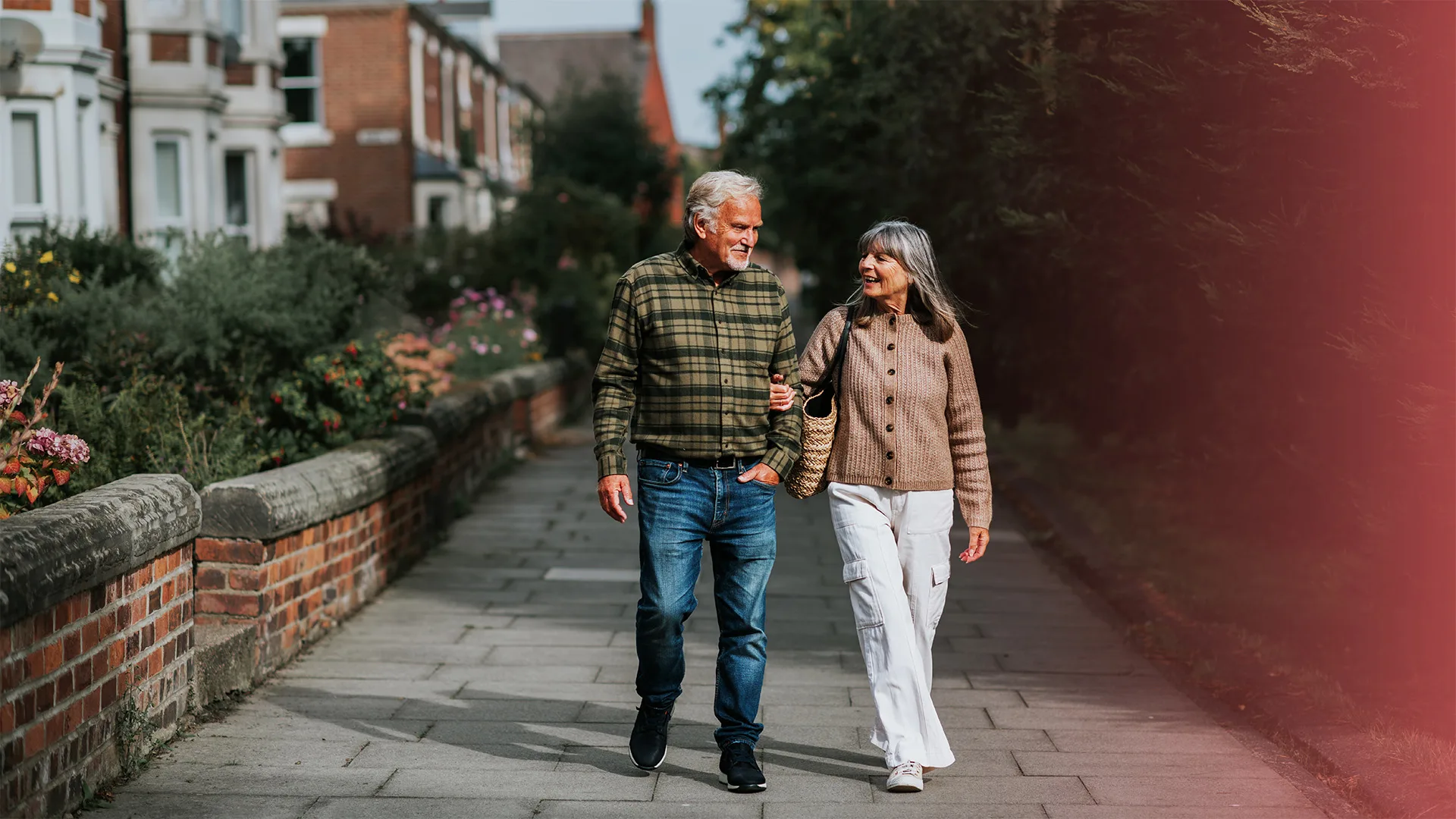 The prevailing narrative surrounding aging often conjures images of an irreversible decline, a steady march towards diminished capabilities. We're told to manage our expectations, to accept that after a certain age, we're "over the hill," with only the possibility of slowing the descent through diligent diet and exercise. While a healthy lifestyle undeniably contributes to well-being, the idea of truly reversing the aging process has largely been relegated to science fiction. However, groundbreaking research from Yale University challenges this long-held assumption, suggesting that aging in reverse is not only possible but surprisingly common.
The Unexpected Reality of Aging Trajectories
For years, researchers have observed a general trend of decline in key health markers as individuals age. When scientists at Yale initially analyzed over a decade's worth of data from approximately 11,000 Americans aged 65 and older, they saw the expected pattern. On average, participants' scores on two critical measures of healthy aging—walking speed and cognitive function tests widely used by experts—decreased over time. This aligns with the intuitive understanding that a 75-year-old is statistically likely to perform less well than a 65-year-old.
However, the Yale team delved deeper, moving beyond group averages to examine the individual journeys of each participant. What emerged from this granular analysis was a dramatically different picture. Instead of a universal, linear decline, the data revealed that a significant portion of the study subjects actually saw improvements in one or both of these key health indicators over the study period. In essence, nearly half of the older adults studied appeared to defy the typical aging trajectory, demonstrating a reversal in their measured health.
"If you average everyone together, you see decline," explained Becca Levy, the lead author of the study, which was recently published in the journal Geriatrics. "But when you look at individual trajectories, you uncover a very different story. A meaningful percentage of the older participants that we studied got better." This finding suggests that the notion of inevitable decline with age is a myth for a substantial segment of the population.
Unlocking the Secrets of Reverse Aging
This revelation naturally sparks curiosity: what sets these individuals apart? What are they doing differently to achieve this remarkable reversal? While factors like genetics and robust lifestyle choices—such as regular physical activity and a nutritious diet—are undoubtedly crucial for healthy aging, Levy's expertise points to a less tangible, yet profoundly influential, element: mindset.
Levy is a leading researcher on the impact of our beliefs about aging on our health outcomes. In her work, including her book Breaking the Age Code, she has presented extensive research demonstrating that a positive attitude towards growing older can significantly influence longevity, activity levels, and cognitive sharpness. For instance, one of her prior studies indicated that individuals who perceive aging as an enjoyable process tend to live, on average, 8.5 years longer than those who dread it.
This remarkable gain in lifespan, achieved simply by altering one's perspective, surpasses the benefits gained from other well-known health interventions. The Yale researchers highlighted that this attitudinal shift provides a greater increase in lifespan than maintaining healthy blood pressure and cholesterol levels (each contributing about four additional years on average) or even abstaining from smoking (adding one to three years).
Cultivating a Positive Outlook for Healthier Aging
Given Levy's established focus on the power of mindset, it was a natural progression for her to investigate participants' attitudes toward aging in her latest study. The findings reinforced her previous conclusions: a more positive outlook on growing older was strongly associated with a higher likelihood of experiencing reverse aging. This association held true even after the researchers accounted for other significant lifestyle factors, such as the presence of chronic diseases and educational attainment.
The implications of this discovery are profoundly encouraging. Unlike genetics or certain lifestyle habits that may be difficult to change, our mindset is largely within our control. This empowers individuals to actively influence their aging process. Furthermore, the very existence of this research can serve as a catalyst for a virtuous cycle.
The Power of Positive Beliefs
Recognizing that reverse aging is a common phenomenon can, in itself, foster a more positive outlook on the advancing years. This enhanced positivity, in turn, is likely to contribute to healthier aging outcomes. It creates a "flywheel of positivity," where good impressions lead to good outcomes, which then reinforce even more positive impressions.
While we may not be able to literally turn back the clock, the ability to age in reverse and potentially regain capabilities once thought lost is a powerful prospect. By understanding that more years do not automatically equate to inevitable decline, we can unlock greater health, happiness, and performance throughout our lives. Spreading this positive message about aging is therefore not just beneficial, but essential for maximizing our potential as we grow older.



Post a Comment for "Yale Scientists Discover 45% Rejuvenate with Simple Mindset Shift"