
Career-Altering Critique
The sting of critical feedback is a universal experience for creatives, but it often holds the key to significant professional growth. While it's natural to feel defensive when your hard work is met with critique, especially early in a design career when identity and style are still forming, these uncomfortable moments can be profoundly transformative. Through countless interactions with designers, a recurring theme emerges: the feedback that stings the most frequently offers the most valuable lessons, reshaping approaches and elevating craft.
The "Monkey" in the Design Process
Sometimes, the most challenging feedback arises from a disconnect between a designer's vision and a client's. Brazilian creative director and graphic designer Anna Lages has navigated this common scenario extensively. Her personal style leans towards clean aesthetics, but she often encounters clients who request what she calls "adding a few monkeys." This idiom, prevalent in Brazilian advertising, refers to superficial changes that clients request to feel involved, even if they don't align with the core strategy.

"My style is almost always very clean, but many times I need to 'add a few monkeys,' because not all clients understand that clean design is intentional and not a lack of effort," Anna explains. She notes that these "monkeys" might sometimes add personality, but the request is made, and the team complies.
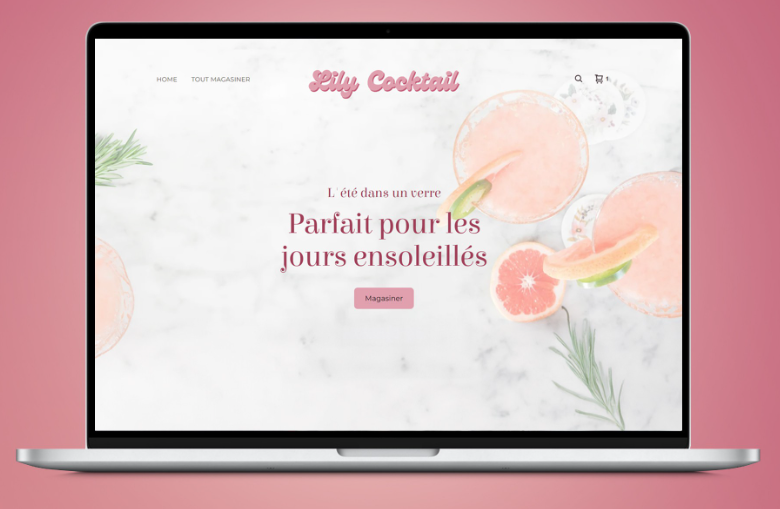
This experience taught Anna a crucial lesson: not every feedback battle is worth fighting. "Sometimes it's easier to remove the monkey than to wear yourself out with the client," she advises. "Often, the client will be more satisfied feeling that they contributed to the creative process than hearing smart technical arguments." Anna's realization highlights that understanding client psychology is as vital as mastering design principles. It's about learning to pick your battles wisely.
When "Cool" Isn't Enough: Prioritizing Strategy
Lindsey Reeves, an illustrator and designer known for her edgy and gritty style, faced a particularly difficult critique that initially felt like a compliment. She was told, "This looks so cool and feels different, but it's not quite what we're going for."

This feedback was painful because it acknowledged the quality and uniqueness of her work while simultaneously rejecting it. "It stings because you know you created something unique, but it may not solve the client's problem," Lindsey shares. These moments shifted her focus from pure aesthetics to the problem she was hired to solve, integrating storytelling and visual impact through branding, packaging, and illustration.
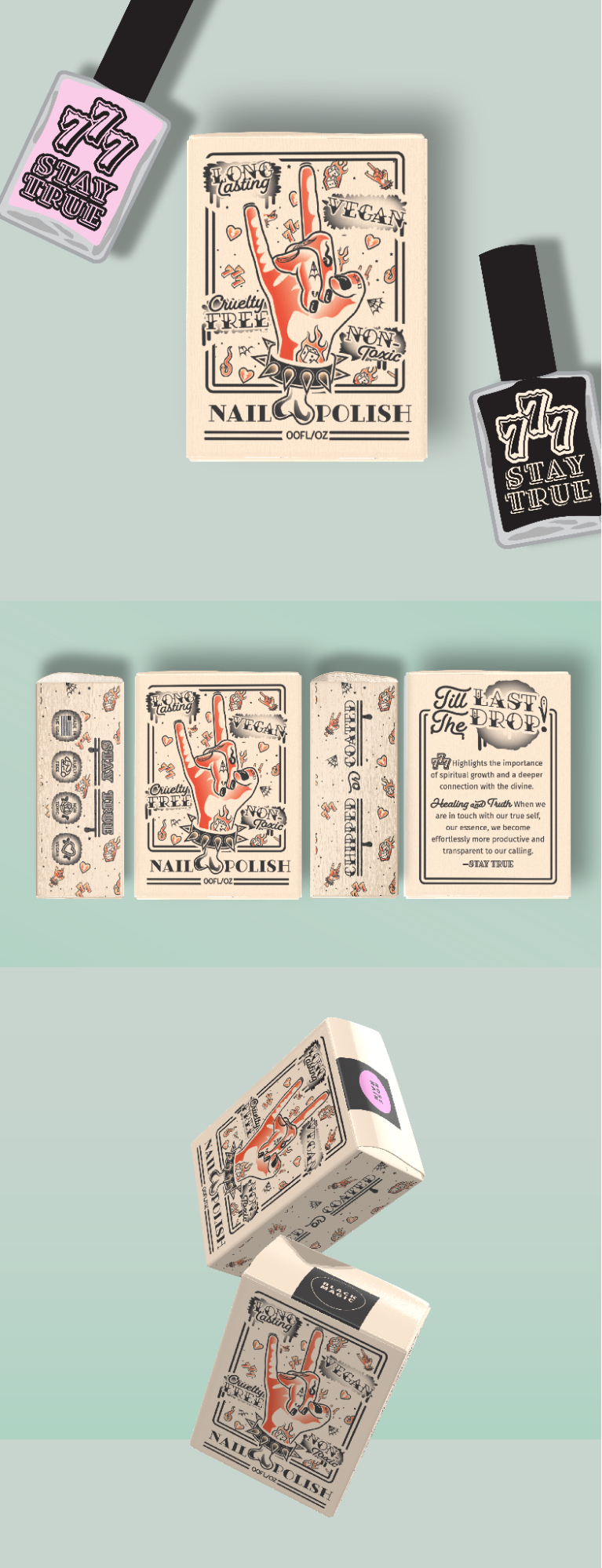
Lindsey now prioritizes strategy, beginning with sketching, brainstorming, and exploration to fully grasp the brief before diving into execution. "By combining strategy with creativity, I've been able to deliver solutions that are both effective and visually exciting, and the client goes, 'This is exactly what I envisioned!'" This approach distinguishes effective designers from merely good ones – work must not only be technically brilliant but also fulfill its intended purpose.
Honoring Client Vision: Letting Go of Ego
Web designer Dean Design learned the importance of setting aside ego early in his freelance career. While working with a large client team on a website, he proposed a clean, user-friendly design. However, opinions within the client team were divided.
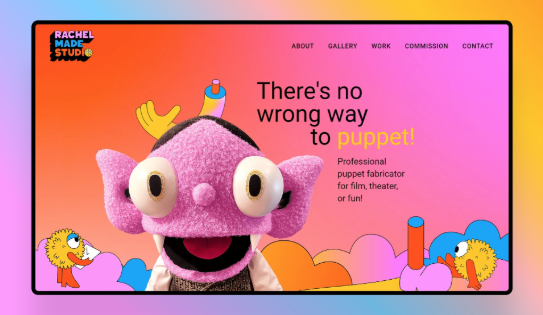
"Some loved it, while others wanted something different," Dean recalls. Despite attempting to explain his rationale, he realized clients don't always welcome unsolicited advice. He opted to redesign the site according to their preferences, even if it wasn't his initial choice.
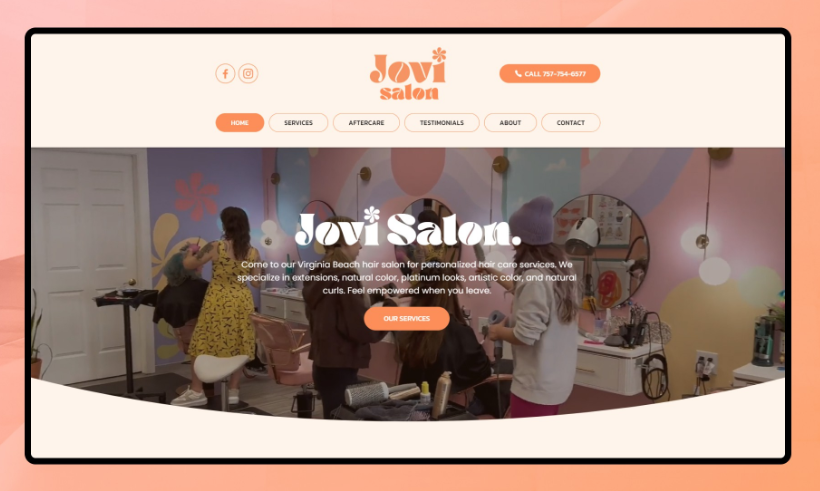
This pattern taught Dean to concentrate on the client's needs rather than trying to impose his design philosophy. "I always explain a few options without putting pressure on them," he says. "If they agree with your idea, that's great. If not, respecting their choice is always the best approach." Counterintuitively, this willingness to compromise and prioritize the client's satisfaction often led to more work and referrals, as clients valued feeling heard and having their vision realized.
The Power of Persistent Exploration
For Boja, a book cover designer, the most impactful feedback wasn't a single dramatic moment but a continuous influence from a drawing teacher. "There isn’t that one life-changing piece of feedback that suddenly flips everything upside down," Boja reflects. "It’s usually a mix of different situations, people, moments, and small ‘clicks’ that gradually come together and shape your story."

Boja's teacher consistently pushed beyond the first, obvious solution, encouraging deeper exploration. This mindset became a guiding principle: the first idea is often the most accessible, not necessarily the best. "If I had to highlight one takeaway, it would be: explore more. There’s always another layer, another idea, another step beyond." This relentless encouragement to resist complacency and delve deeper is crucial in a profession driven by deadlines and client expectations.
Embracing Discomfort for Growth
The feedback that truly fosters transformation often challenges not just the design itself, but the fundamental approach to creative work. For Anna, it was understanding client psychology. For Lindsey, it was prioritizing strategy over style. Dean learned that client satisfaction can trump personal preference. And Boja was taught the value of relentless exploration.
This kind of feedback is only beneficial if designers are open to receiving it, a feat made challenging by emotional investment in their work. However, those who push past the initial sting and genuinely consider the critique are the ones who evolve. The next time challenging feedback arrives, taking a moment to look beyond the discomfort can reveal the catalyst for significant professional advancement.



Post a Comment for "Career-Altering Critique"