
Last-Minute Solopreneur's Meeting Meltdown

 The unpredictable nature of business, especially when urgent matters arise that require your immediate attention, can often lead to scheduling conflicts. While most understand these professional demands, not everyone reacts the same way when plans need to be altered. This situation highlights a common workplace dilemma: how to navigate last-minute cancellations with colleagues or potential partners, and the potential fallout when communication breaks down.
The Scenario: A Last-Minute Cancellation
A new entrepreneur, who has recently launched a design and animation business, sought to expand their team by bringing in skilled individuals. In pursuit of this goal, they reached out to a friend in her mid-40s, who possesses strong design and animation expertise. After an initial informal conversation, the entrepreneur proposed a more formal virtual discussion to explore a potential partnership.
The friend agreed and provided a convenient booking link, instructing the entrepreneur to "block her calendar." The entrepreneur promptly selected a suitable time slot.
However, just thirty minutes before the scheduled meeting, the entrepreneur was unexpectedly pulled into a pressing business issue, making it impossible to attend. In an effort to minimize disruption, the entrepreneur quickly sent a message to their friend stating, "Sorry, I got another call at 11."
The Escalation: Miscommunication and Frustration
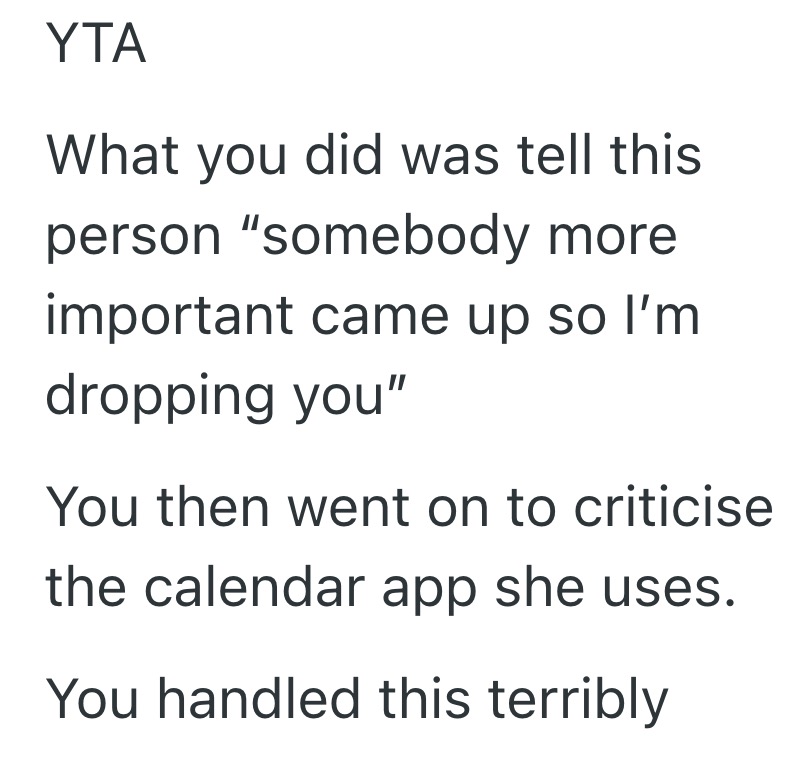
Upon realizing the need to reschedule, the entrepreneur opened the friend's calendar to find the next available slot was a week away. They then sent a follow-up message: "Your calendar is blocked till next week :(".
This is where the situation began to unravel. The friend, understandably frustrated by the late notice, responded with a pointed message: "Which is why I schedule these things well in advance. Please give me more notice for cancellations. Or rather, schedule only if you are 100% sure you can make it."
The entrepreneur felt this reaction was overly harsh, as the cancellation was unintentional and communicated as soon as possible. They attempted to de-escalate by suggesting that if the calendar app had also appeared on their own calendar, they could have been more proactive in their communication.
The friend's reply further fueled the tension: "Have the courtesy to at least apologize when you don’t show up. Don’t blame calendars and tech."
The entrepreneur felt the situation had been blown "unnecessarily out of proportion" and that the friend's response was unnecessarily bitter.
Public Reaction and Perspectives
When this scenario was shared online, it sparked a lively debate, with many weighing in on who, if anyone, was in the wrong. The common sentiment among commenters often focused on the importance of professional courtesy and clear communication.
-
Emphasis on Professionalism: Many users highlighted that while friendships can blur lines, business interactions require a certain level of professionalism. The entrepreneur's late cancellation, regardless of intent, disrupted the friend's schedule and potentially her own work.
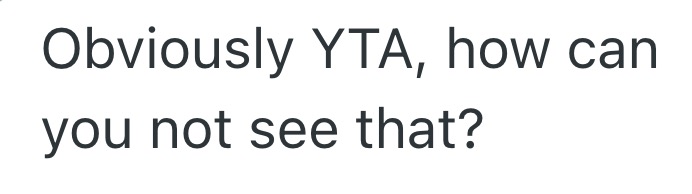 One common observation was that the friend's reaction, while perhaps strong, stemmed from a desire for her time to be respected. The sentiment was that if someone can't commit to a scheduled time, it's better not to book it in the first place.
 -
The Role of Technology: The entrepreneur's attempt to shift some blame to the calendar technology was met with skepticism. Many felt that personal responsibility for managing one's schedule and communication should take precedence over technological convenience or failure.
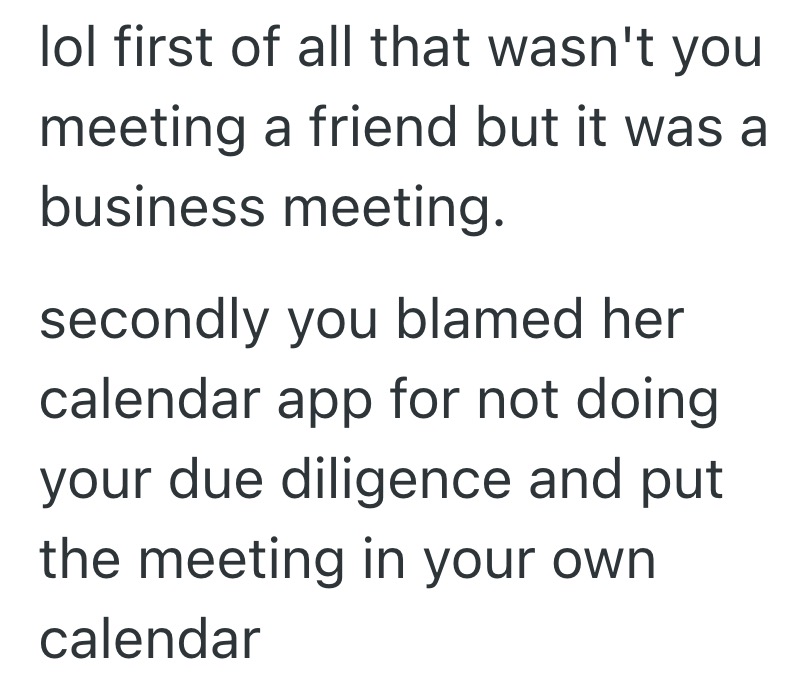 Commenters pointed out that even with calendar apps, a last-minute conflict requires a sincere apology and an acknowledgment of the inconvenience caused, rather than deflecting responsibility.
 -
Partnership Potential: The incident also raised questions about the viability of a business partnership. Some users suggested that the way this initial interaction unfolded could be a preview of future challenges in a professional relationship.
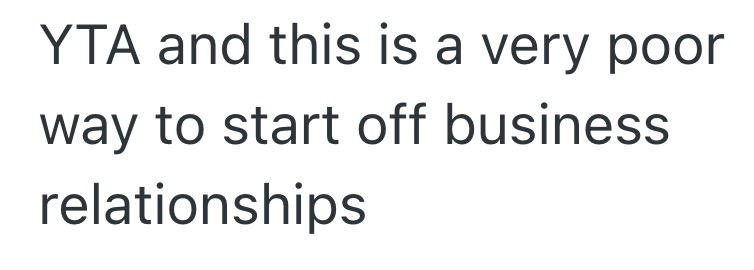 The ability to handle minor disagreements and scheduling mishaps smoothly is often seen as a crucial indicator of a healthy working dynamic. If this was the reaction to a simple reschedule, it could suggest deeper communication issues down the line.
 -
"Red Flag" Concerns: A significant portion of the online discussion labeled the entrepreneur's actions as a "red flag." This term is often used to describe behaviors that signal potential future problems or unhealthy patterns.
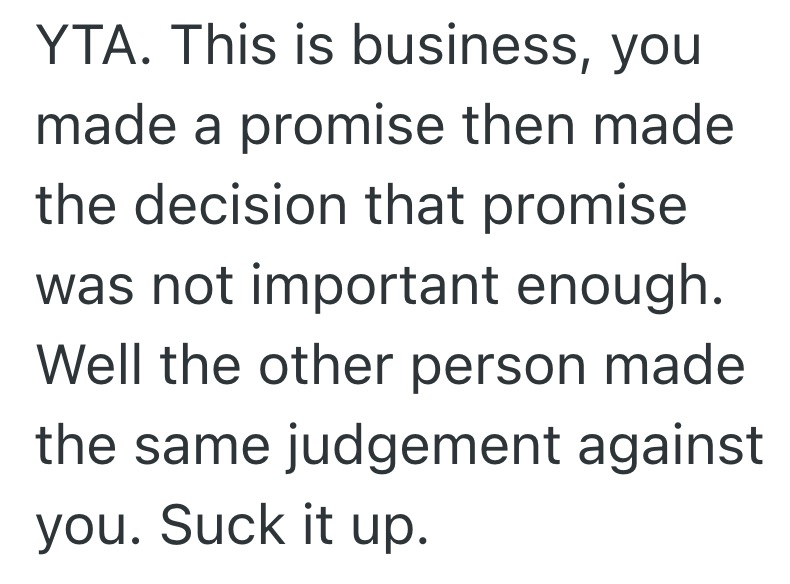 The perception was that the entrepreneur was not taking full responsibility for the situation and was trying to minimize the impact of their actions, which could be seen as a lack of maturity or respect in a professional context.
This situation serves as a reminder that even in the digital age, effective communication, empathy, and a commitment to professional courtesy are paramount in building and maintaining successful business relationships. While work can be demanding and unpredictable, how we navigate these challenges often defines our professional character and the trust others place in us.



Post a Comment for "Last-Minute Solopreneur's Meeting Meltdown"